Unfortunately, due to the ongoing conflict in the Middle East, shipping lines have temporarily suspended shipments to and from the UAE, Oman, Kuwait, Qatar, Bahrain, and Saudi Arabia until further notice.


How international shipping works
What items are not allowed into New Zealand?
Key takeaways
- New Zealand customs rules include some of the world's most stringent biosecurity laws, and you must complete an NZCS 218 Unaccompanied Personal Baggage Declaration detailing every item in your shipment.
- Items that are not allowed into New Zealand include illegal drugs, firearms, weapons, hazardous goods, and anything involved in criminal activity.
- You can bring many personal items into New Zealand provided they are for your own use, such as clothes, jewellery, electronics, and furniture.
To satisfy biosecurity, you must decontaminate all outdoor equipment, such as hiking boots, bicycles, and camping equipment, before shipment.
New Zealand customs rules
New Zealand customs rules include some of the world's most stringent biosecurity laws to protect its environment from pests and diseases. The Ministry for Primary Industries (MPI) maintains a zero-tolerance approach to potential contaminants. Consequently, border officials closely inspect every incoming shipment.
When sending unaccompanied household goods to New Zealand, you must submit an NZCS 218 Unaccompanied Personal Baggage Declaration that details every item in your shipment.
To qualify for duty-free and Goods and Services Tax (GST)-free entry, you must:
- Have lived outside the country for at least 21 months,
- Have personally owned and used your goods before arrival in New Zealand,
- Declare that they are for personal use and that you will not sell or gift them.
Items bought recently or that you intend to sell are liable for 15% GST, along with any applicable customs duties. If your shipment has a declared value of over NZ$1,000 (US$584/€507), an Import Entry Transaction Fee will apply.
To satisfy biosecurity, you must decontaminate all outdoor equipment, such as hiking boots, bicycles, and camping equipment, before shipment. Soil frequently hides bacteria, fungi, and seeds. Use a stiff brush* and detergent to scrub every crevice, including boot treads, bike tyres, and the undersides of garden tools. If you cannot guarantee an item is spotless, it's best to leave it behind, as shipping contaminated goods may result in MPI-mandated treatment, including steam cleaning or fumigation, which can cost several hundred to over a thousand NZD, plus inspection and handling fees.
Under the Biosecurity Act 1993, providing false details on your NZCS 218 form or failing to declare "risk goods" could result in an instant infringement fine of NZ$400 (US$234/€203). Deliberate or serious breaches can result in much higher penalties, including fines up to NZ$100,000 (US$58,428/€50,688) and possible prosecution. For visitors or temporary residents, serious biosecurity breaches can lead to visa cancellation or affect future entry.
*Seven Seas Worldwide does not endorse these products

What can I bring into New Zealand?
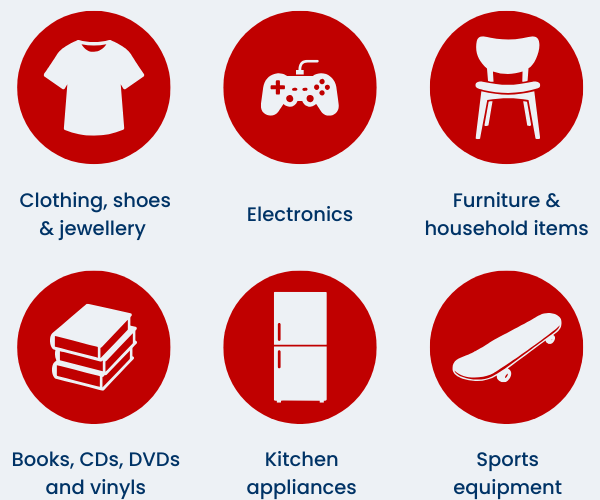
You can bring many personal items into New Zealand provided they are for your own use, such as clothes, jewellery, electronics, and furniture. Three months' worth of prescription medicines are allowed, but they must be in their original containers, and you must have a copy of your prescription or a doctor's letter.
You must declare all goods that pose a biosecurity risk on your New Zealand Traveller Declaration or forms provided by your international shipper. Risk items include food, plants, soil, animal products and outdoor equipment. Biosecurity officers may examine your items, ask questions about how they were used and check for any organic materials.
There are also duty-free allowances for alcohol. As of 2026, you can typically bring up to six bottles (4.5 litres) of wine, port, sherry or champagne, or up to 12 bottles (4.5 litres) of beer without paying any GST or customs charges. However, alcohol must be brought with you and cannot be shipped unaccompanied.
Even if you think an item is safe, listing it on your arrival declaration prevents hefty instant fines. If a customs officer decides an item is unsafe, they will dispose of it for you if you've declared it, whereas hiding it can lead to fines or prosecution.
The graphic below illustrates some of the personal effects you can ship to New Zealand:
Can I bring electronics into New Zealand?
You can bring electronics into New Zealand, such as laptops, phones, and cameras, for personal use. However, there are strict rules for shipping lithium batteries: spare batteries and power banks must remain switched off and in your carry-on luggage, and cannot go in the cargo hold.
Outdoor electronics, such as drones or portable speakers, must be thoroughly cleaned of soil and organic debris. New Zealand uses Type I flat-pin plugs and a 230V supply. Visitors from most countries will need a plug adapter and a voltage converter; however, those from the UK or most of the European Union (EU) require only a plug adapter, since their supply is compatible with New Zealand's. We highly recommend avoiding the use of plug adaptors for extended periods, as they can overheat and cause a fire.
What items are not allowed into New Zealand?
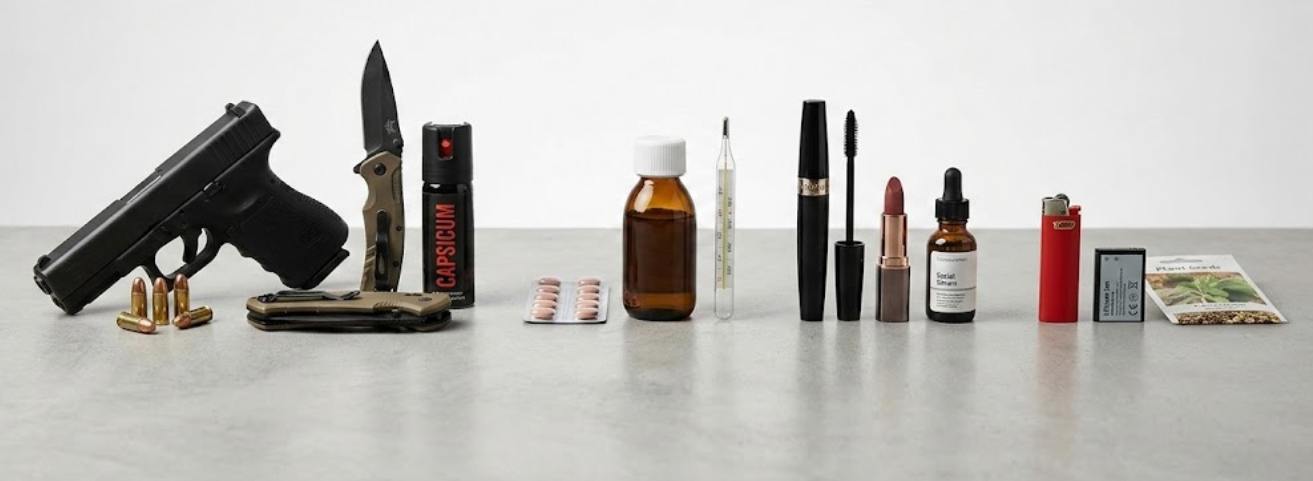
Items that are not allowed into New Zealand include illegal drugs, firearms, weapons, hazardous goods, and anything involved in criminal activity.
Shipping unaccompanied luggage is subject to strict biosecurity requirements enforced by New Zealand's Ministry for Primary Industries (MPI). Measures include targeting pests such as the Brown Marmorated Stink Bug (BMSB), fruit flies, and Asian gypsy moths. Biosecurity tightly controls the import of food, plant material and animal products, which may be inspected, treated, or seized.
Protected wildlife and related products, including ivory, coral, reptile skins and items made from endangered species, cannot be imported or exported without a permit from the Convention on International Trade in Endangered Species of Wild Fauna and Flora (CITES).
For the latest prohibited and restricted import items, and those that must be declared or require a permit, check out the MPI website.
| Item | Status | Notes |
|
Bee products
|
Prohibited |
Including beekeeping equipment such as a smoker suit, honeycomb sheets, honey-containing syrups, and unrefined beeswax.
|
|
Fungi
|
Prohibited |
Including truffles and woody fungi.
|
|
Grains and seeds
|
Prohibited |
Including fresh vanilla pods, frozen, unprocessed grains and seeds, and soups containing seeds.
|
|
Plants, flowers, and hemp
|
Prohibited |
Including bark, coconut shells, hemp oil, and unprocessed willow, cane, bamboo, or rattan.
|
|
Fresh produce
|
Prohibited |
All fresh fruit and vegetables.
|
|
Animal products
|
Prohibited | All meat (fresh, dried, frozen, or smoked), poultry, and whole eggs. |
|
Illicit content
|
Prohibited
|
Pornography contained on items such as mobile phones, USBs, films, videos, and computer games.
|
|
Bongs
|
Prohibited |
Including hash pipes and cannabis utensils. Tobacco pipes are allowed.
|
|
Methamphetamine equipment
|
Prohibited |
Anything that enables the use of methamphetamine.
|
|
Vaporisers
|
Prohibited |
Exceptions include approved medical devices by an overseas regulator.
|
|
Small, high-powered magnets
|
Prohibited |
Including buckyballs.
|
|
Firearms
|
Prohibited |
Including all restricted weapons and ammunition.
|
|
Air guns
|
Requires a permit
|
Including air pistol carbine conversion kits and air gun ammunition.
|
|
Automatic opening knives
|
Prohibited |
Including flick knives and flick guns.
|
|
Swordsticks
|
Prohibited |
Including concealed blades disguised as walking sticks or canes.
|
|
Knuckle-dusters
|
Prohibited |
Including metal knuckles or similar devices designed to fit over the fingers.
|
|
Gravity or butterfly knives (balisong)
|
Prohibited |
Including knives with blades that open by gravity, centrifugal force, or folding handles.
|
|
Luxury goods of Russian origin
|
Requires approval under the Russia Sanctions Act 2022 |
Including vodka, truffles, seafood, and precious stones of any value.
|
|
Handheld high-power laser pointers
|
Requires approval from the New Zealand Customs Service |
Pointers with a strength greater than 1mW.
|
|
Endangered species
|
Requires a CITES permit
|
Including corals and clams, crocodile and alligator products, and American ginseng root.
|
How many cigarettes can I bring into NZ?
Adults over 17 can bring up to 50 cigarettes or 50 grams of tobacco-containing products into New Zealand duty-free. This is one of the lowest limits in the world, designed to support the country's public health strategy. If you plan to bring more than this amount, you must declare the total quantity and pay customs duties and GST on the excess.
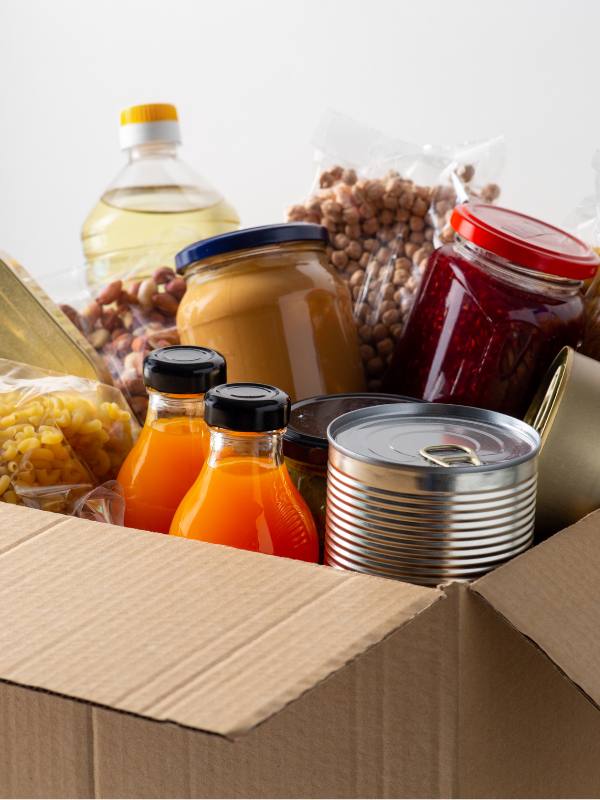
You cannot bring fresh fruit, vegetables, or any meat or dried meat product.
Can you bring food into New Zealand?
You can bring food into New Zealand; however, the country has extremely strict rules to protect its massive agricultural industry from pests and diseases. You cannot bring fresh fruit, vegetables, or any meat or dried meat product. Most dairy products and whole eggs are also prohibited due to the risk of diseases such as foot-and-mouth, which, as of 2026, has yet to reach New Zealand.
Honey and bee products are strictly banned because they can carry infections that destroy local bee populations and compromise the purity of local production.
Inspectors often seize raw nuts, unpopped popcorn, and seeds because prohibited "hitchhiker" pests can hide in them. Homemade food, such as baked goods or preserves, is completely banned as officials cannot verify the ingredients or cooking temperatures. While some commercially packaged dried foods containing honey are allowed, you must declare every single item on your Arrival Card.
If you fail to declare food items, you face an immediate NZ$400 (around US$234/€203) fine and potential prosecution. Since regulations change often, it's advisable to check the latest MFI guidance before shipping.
Please note that Seven Seas Worldwide prohibits the shipping of any food items on all of our services. Please visit our Prohibited Goods page for the latest information.
What medicines are not allowed in New Zealand?
Medicines that are not allowed in New Zealand are undeclared controlled drugs or medicines exceeding allowed quantities, according to the latest information from the New Zealand Customs Service.
It specifically states that:
- Controlled drugs must be declared, carried in original, labelled containers, accompanied by a prescription or doctor's letter, and limited to a one-month supply.
- Prescription medicines (excluding controlled drugs) must also be declared, carried in their original containers, and limited to a three-month supply (for oral contraceptives, up to six months).
- Pseudoephedrine-containing medicines are treated as controlled drugs and can only be brought in for personal use, up to one month's supply, and must travel with the person.
- Medicines not prescribed to you or a family member, or quantities exceeding the limits, must be declared.
Some medicines are effectively completely prohibited, including controlled substances such as cannabis products, methadone, and certain psychoactive drugs, as well as cannabidiol (CBD) and hemp extracts.
Products that contain prescription medicines not listed on the label, including some herbal or online-purchased remedies, are also illegal to import.
Failure to comply can result in customs officers seizing your medicines. For the most up-to-date information, reference Medsafe and the Ministry of Health guidance on bringing medicines into New Zealand.

More advice about shipping to New Zealand

Moving to New Zealand
Moving to New Zealand promises an exciting mix of stunning landscapes, welcoming communities and a laid-back lifestyle. Discover more!

Prohibitive goods
Before packing, check this list of items prohibited from entering a particular country or region.

New Zealand customs declaration: NZCS 218
New Zealand's NZCS 218 form is a mandatory document for those returning or moving to NZ that allows you to import personal effects tax-free. Learn more.

How much does it cost to move to New Zealand?
It costs between AU$12,000 and AU$50,000 to move to Australia in 2026, depending on what items you need to ship, your chosen visa, and your origin country.
Sign up to find outmore about our MoveCube®!

Looking for safe and secure international shipping and removals?