Unfortunately, due to the ongoing conflict in the Middle East, shipping lines have temporarily suspended shipments to and from Oman until further notice.


How international shipping works
Prohibited and restricted items to bring or ship to Canada
Content review
Written by: John Henderson (Co-founder and Managing Director of Seven Seas Worldwide)
Expert contribution: our Canadian Head of Operations
Regulatory information last checked: 15 September 2026
Before you pack: know what you can bring or ship to Canada
Moving to Canada means checking more than whether an item is legal to own. You need to know whether it can enter Canada and whether Seven Seas Worldwide can transport it.
An item may be permitted by Canadian customs but restricted by a shipping carrier because it is classed as dangerous goods or falls outside the carrier's acceptance policy. Equally, some goods are prohibited or controlled at the Canadian border regardless of how they are transported.
This guide focuses on used personal and household belongings sent to Canada as an unaccompanied shipment. Import requirements and carrier restrictions can change, so check the relevant official guidance and the latest Prohibited Goods policy before packing anything questionable.
Choose us for expert moving overseas advice

What to check before shipping an item to Canada
Before placing a questionable item in your shipment, ask:
Will Seven Seas Worldwide ship it?
Our Prohibited Goods applies independently of Canadian customs rules. Restrictions can depend on the item and whether it is travelling by air, sea or land.
Is it prohibited or restricted by Canada?
Some weapons, controlled substances and other goods cannot normally be imported, while others may require permits or authorisation.
Does the item's origin affect the rule?
Requirements for food, plants, animal products, seeds, soil and raw wooden packaging can depend on their origin and current pest or disease controls.
Is it regulated during transport?
Batteries, aerosols, perfumes and other everyday products can be dangerous goods even when they are legal to own and import.
Is it clean enough to enter Canada?
Equipment contaminated with soil may be refused entry, so thoroughly clean bicycles, camping equipment, garden tools, footwear, and other outdoor belongings before packing.
Have you declared your belongings correctly?
If your belongings will arrive after you, they need to be included on the appropriate goods-to-follow declaration when you first enter Canada. See our dedicated BSF186 and goods-to-follow guide for full instructions.
Check before you pack — confirming the rules now can help avoid delays, extra costs or having an item removed from your shipment later.


Expert tip from our Canadian Head of Operations
“One recurring problem I see is customers not describing their belongings clearly enough on their Inventory Packing List. Clear, accurate descriptions help customs officers understand what is inside the shipment and reduce avoidable questions.”
Canada prohibited and restricted items: can you ship them?
The table below answers three different questions:
Canada's import position: what Canadian border rules say about the item.
Seven Seas Worldwide policy: whether we will transport it.
Transport restrictions: whether dangerous-goods or other shipping controls apply.
Canadian regulations can change, and some commodities need to be assessed individually. If an item is shown as conditional, check both the current Canadian requirements and the latest Seven Seas Worldwide Prohibited Goods policy before packing it.
How to read the final column: "No" means the item should not be included in a Seven Seas Worldwide shipment to Canada, even if Canadian rules may allow it in other circumstances or by another method of import. "Conditional" means acceptance depends on factors such as the exact product, transport service, or the importer's circumstances, and should be confirmed before packing.
| Item | Canadian import position | Seven Seas Worldwide policy | Transport restrictions | Can you ship it? |
|---|---|---|---|---|
| Brass knuckles and prohibited martial-arts weapons | Prohibited | Prohibited | Not relevant once carrier prohibition applies. | No |
| Tear gas, mace and pepper spray intended for use on people | Prohibited | Prohibited | Aerosol/dangerous-goods issues may also apply. | No |
| Firearms, replica firearms and firearm components | Depends on classification and importer status; prohibited firearms/devices cannot ordinarily be imported. | Prohibited | Firearms/ammunition have additional legal and transport controls. | No |
| Ammunition | Depends on type and quantity. | Prohibited | Explosives/dangerous goods rules apply. | No |
| Cannabis, THC and CBD products | Not permitted for ordinary personal import; narrow Health Canada permit or exemption routes exist for specific regulated circumstances. | Prohibited | Controlled-substance rules. | No |
| Food and drinks | Depends on product, origin and method of import. | Prohibited | Some products are specifically limited to an accompanied import. | No |
| Plants, seeds and soil | Product- and origin-dependent; soil itself and soil-contaminated items face strict phytosanitary controls. | Prohibited | Automated Import Reference System (AIRS) requirements apply. | No |
| Animal products, hides, skins, and taxidermy | Species, product and origin can trigger CFIA and/or Convention on International Trade in Endangered Species of Wild Fauna and Flora (CITES) requirements. | Prohibited | Health certificates, permits, or CITES documentation may be required. | No |
| CITES-listed endangered wood, plants or wildlife products | Item- and species-dependent. Many personal/household effects have exemptions, but important exceptions apply. | Prohibited | CITES documentation can apply. | No |
| Elephant ivory or rhinoceros horn | Special CITES restrictions apply; worked items require permits, and raw specimens face stricter controls. | Prohibited | CITES controls. | No |
| Fireworks and explosives | Generally requires import authorisation/permits and must be authorised in Canada. | Prohibited | Class 1 | No |
| Bear spray/animal repellent | May avoid classification as a prohibited weapon if designed and labelled solely for animals, but pesticide-import requirements also apply. | Prohibited | Pressurised pesticide/aerosol. | No |
| Currency and monetary instruments | Legal to import, but CAD$10,000 or more or its foreign-currency equivalent must be reported. | Prohibited | Financial reporting requirements. | No |
| Alcohol | Canadian accompanying person allowances may apply, depending on status and number. | Prohibited | Flammable-liquid considerations. | No |
| Tobacco and vaping products | Canadian border allowances and duties apply. | Prohibited | Battery/liquid controls may also apply. | No |
| Perfume, cologne and aftershave | No general Canadian personal-effects prohibition, subject to applicable product requirements. | Allowed on sea and land services (max. volume per item 150ml)/ banned on air services. | Usually, a flammable liquid. | Conditional |
| Aerosols such as deodorant and hairspray | Product-dependent but ordinary consumer aerosols are not generally prohibited from entering Canada purely because they are aerosols. | Allowed on sea and land services/banned on air services. | Dangerous goods | Conditional |
| Batteries and devices containing batteries | Generally, an import/transport rather than a customs-prohibition issue. | Allowed on sea and land services/banned on air services. | Dangerous goods and battery-specific packing rules. | Conditional |
| Prescription medicines | Varies according to the medication and the person's resident/visitor status. | Depends on product and service; check before packing. | Health Canada and possible dangerous goods controls. | Conditional |
| OTC medicines and natural health products | Personal-use quantities and other Health Canada requirements apply. | Depends on the exact product and service; check before packing. | Health-product requirements may apply. | Conditional |
| Used or second-hand mattresses | Generally prohibited under tariff item 9897 , but exemptions apply to qualifying settlers and former residents. | Allowed | Customs classification and the importer’s status matter. | Conditional |
| Raw wooden crates, pallets and dunnage | CFIA/ ISPM 15 requirements generally apply to wood packaging entering Canada from outside the continental US; qualifying material from the continental US is treated differently. | Allowed | Plant-health requirement | Conditional |
Canada’s prohibited weapons memorandum explains how items such as pepper spray, mace, brass knuckles, and some animal repellents are classified under Canadian law.
Can't find your item in the table?
Do not assume that means it is safe to pack. Check our Prohibited Goods policy and the relevant Canadian government guidance for the exact product.

Get the paperwork right early, and customs clearance is much easier later.
Customs and documentation when moving to Canada
Canadian customs rules for personal belongings depend partly on your circumstances. First-time settlers, returning Canadian residents, temporary residents and other categories can be treated differently.
If your belongings will arrive after you, declare them as goods to follow when you first enter Canada, and keep your completed customs documents safe until the shipment arrives.
For full eligibility requirements, Form BSF186 and step-by-step completion advice, see our dedicated Canada BSF186 customs declaration guide.
Our Canadian team's goods-to-follow tip:
“Do not wait for your shipment to arrive before dealing with your goods-to-follow declaration. When you first enter Canada, make sure you have a complete list of everything you're planning to ship separately and declare those belongings as goods to follow.”
Food, plants, animals and other agricultural products
Canada controls food, plants, animals and related products to help prevent the introduction of foreign pests and diseases.
Requirements can depend on the exact product, its country of origin, how it has been processed, its intended use and current pest or disease conditions. The Canadian Food Inspection Agency's Automated Import Reference System (AIRS) provides current commodity-specific requirements.
If an item requires a permit, certificate or other authorisation, obtain it before importing the item.
Declare food, plant and animal products
If you personally bring food, plants, animals or related products across the Canadian border, they must be declared to CBSA. Simply listing them on a packing inventory does not replace that declaration.
Less obvious regulated products can include:
- Seeds and nuts
- Hides and trophies
- Wood products
- Soil
- Handmade goods containing plant or animal material
Failure to declare regulated goods or provide the required documentation can result in detention, confiscation, removal or penalties.

Clean outdoor equipment before shipping it to Canada
Soil can carry pests and diseases, so items contaminated with soil or related organic material can be refused entry.
Before packing bicycles, camping equipment, garden tools, sporting equipment, footwear or other belongings used outdoors, remove visible:
- Soil
- Mud
- Grass
- Seeds
- Plant matter
- Insects
Pay particular attention to tyres, treads, frames, soles, wheel arches and anywhere else dirt can collect.
Potentially contaminated goods can be inspected on arrival. Non-compliant items may be refused, removed, treated or disposed of, and associated costs can fall to the importer.
Dangerous goods and shipping restrictions
Being permitted through Canadian customs does not automatically mean an item can travel in a normal personal-effects shipment.
Products such as batteries, aerosols and perfume may be subject to dangerous-goods restrictions, with acceptance differing between air, sea and land services.
Check the latest Seven Seas Worldwide Prohibited Goods page before packing any potentially hazardous items.
The risk is often in the material, not the item itself — an ordinary-looking possession can become restricted because of what it’s made from or how it’s packaged.
Endangered species, animal products and CITES
Belongings containing wildlife, animal material or certain protected woods may be regulated under Canadian law and the Convention on International Trade in Endangered Species of Wild Fauna and Flora (CITES).
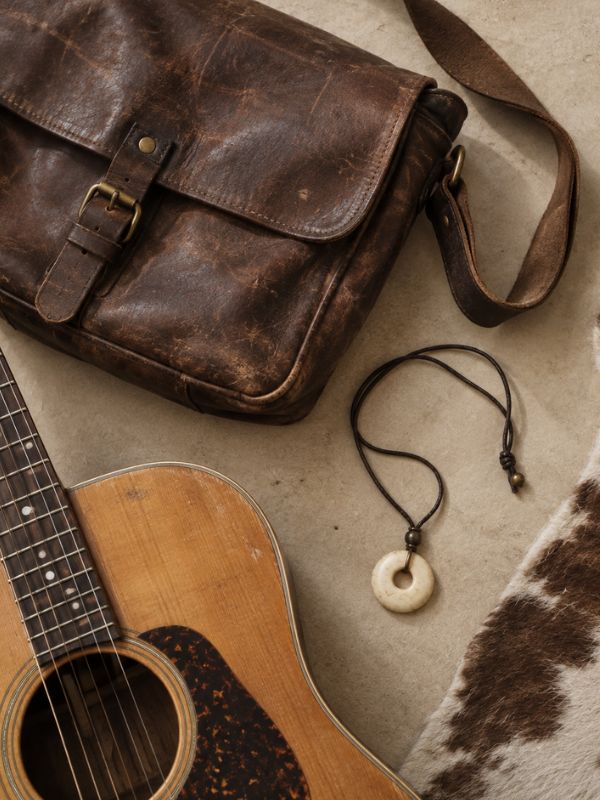
Rules can apply to items such as antiques, jewellery, musical instruments and furniture containing ivory, horn, animal skin or protected wood.
Canada applies particularly strict controls on elephant ivory and rhinoceros horn, while animal hides, skins, and other products may also be subject to CFIA requirements based on species, origin, and disease risk.
Seven Seas Worldwide's current international policy also prohibits a number of animal products and goods containing endangered plant, wood or animal material.
If an item contains unusual animal or plant material, identify exactly what it is before packing it. For a fuller explanation of permits and exemptions, see our CITES guide.
Raw wooden crates and pallets
Untreated raw wooden crates and packaging can spread pests. Previously used wooden containers may also pose a risk if they retain residue from their former contents. Avoid wooden tea chests, for example, as they may be untreated or still contain traces of tea or other plant material.
Canadian plant health rules may apply to crates, pallets and dunnage entering Canada. These depend partly on where the material originates, with qualifying packaging from the continental United States treated differently from material arriving from elsewhere.
Wood packaging entering Canada from outside the continental US generally needs to comply with Canada's implementation of ISPM 15 treatment and marking requirements.
If you are providing your own raw wooden packaging rather than using our approved packing materials, check the packaging's origin and the applicable Canadian requirements before using it.
FAQs about prohibited and restricted items in Canada
Most used household items and personal belongings can be included in a personal-effects shipment, provided they comply with both Canadian import requirements and the shipping carrier's rules.
Check the table above and our Prohibited Goods page before packing anything unusual, regulated or potentially hazardous.
Seven Seas Worldwide does not accept food, beverages or perishable goods in its international personal-effects shipments.
If you plan to bring food into Canada separately, Canadian requirements vary by product, country of origin, and method of import. Some traveller allowances do not apply to goods sent separately by courier or as an unaccompanied shipment.
Check the current CFIA requirements and AIRS for the exact food and country of origin before travelling with it.
Sprays intended to incapacitate people, including pepper spray, mace and tear gas, are treated as prohibited weapons under Canadian law.
Animal repellents can be treated differently if they are genuinely designed and labelled for use against animals, but pesticide import requirements may also apply.
Seven Seas Worldwide does not accept bear spray or other pesticides in its international personal-effects shipments.
Canadian customs requirements vary depending on the medicine and your immigration or residency status.
Visitors may be permitted to bring a personal quantity of prescription medicine subject to Health Canada requirements, while different rules apply to Canadian residents and recently landed immigrants or refugees. Medicines containing controlled substances may be subject to additional controls.
Transport restrictions can also depend on a medicine's composition and packaging, so check both Health Canada's current requirements and Seven Seas Worldwide's latest policy before putting medication in an unaccompanied shipment.
OTC medicines and natural health products have separate requirements and should not automatically be treated in the same way as prescription medication.
Do not pack cannabis, THC products or CBD products in your shipment.
Cannabis being legal within Canada does not mean it can freely cross the Canadian border. Bringing cannabis or products containing THC or CBD across the border generally requires specific Health Canada authorisation.
Seven Seas Worldwide also prohibits cannabis and CBD products across its international services.
Canadian law distinguishes among different classes of firearms, weapons, and prohibited devices, and the required documentation depends on the specific item and the importer.
Seven Seas Worldwide does not accept firearms, replica firearms, ammunition or prohibited weapons in international shipments, including many sporting, decorative and deactivated firearms and components.
Canada has specific import rules for used and second-hand mattresses.
Although they are generally prohibited under tariff item 9897, exemptions can apply to qualifying personal effects imported by settlers and former residents. Other used mattresses may be subject to prescribed cleaning or fumigation requirements.
Seven Seas Worldwide currently accepts used mattresses, so confirm your eligibility under Canadian customs rules before shipping one.
Final checks before your shipment leaves
Before sealing your boxes or loading your MoveCube®, make sure you have:
Before your shipment leaves
The key distinction is simple: being legal to import does not automatically mean an item is suitable for shipping, and being transportable does not automatically make it legal to import. Check both before packing.
What our Canadian team want you to know about customs clearance:
“Once your belongings are ready for customs clearance in Canada, we'll provide the instructions you need to follow, including details on the CBSA office associated with the bonded warehouse handling your shipment. That won't necessarily be the customs office closest to your home, so it's important to follow the instructions we send for your particular shipment.
I'd also recommend dealing with the clearance as soon as you're notified rather than leaving it until later, because delays at that stage can potentially lead to storage charges.”
Expert contribution
Seven Seas Worldwide's Canadian Head of Operations contributed practical observations throughout this guide, based on recurring customs, documentation, and clearance issues encountered in personal-effects shipments.
Interviewed: 10th September 2026
More advice about shipping to Canada

Removals from UK to Canada
Move from the UK to Canada with confidence. Get a FREE instant quote, enjoy 2 weeks' FREE UK storage and trust 30+ years of international removals expertise.

Prohibitive goods
Before packing, check this list of items prohibited from entering a particular country or region.

Moving to Canada
If you're moving to Canada, read this guide for tips on emigrating to the Great White North, including how to find a job, booking removals, Canadian culture and more!

Canada customs declaration: BSF186 form
Canada's BSF186 form is a mandatory document for those returning or moving to Canada that allows you to import personal effects tax-free. Learn more.
Sign up to find outmore about our MoveCube®!

Looking for safe and secure international shipping and removals?