Unfortunately, due to the ongoing conflict in the Middle East, shipping lines have temporarily suspended shipments to and from Oman until further notice.


How international shipping works
US customs prohibited items
Key takeaways
- US customs rules are some of the world's strictest to protect the nation's massive agricultural industry and diverse ecosystems from invasive species, pests, and diseases.
- You can bring many used personal belongings to the US, including clothing, books, laptops and everyday household items, if you do not plan to sell them.
- The US's customs prohibited items list includes counterfeit goods intended for sale, drug paraphernalia, gold from restricted countries, and certain fruits, vegetables, plants, and seeds.
Choose us for expert moving overseas advice

US customs rules
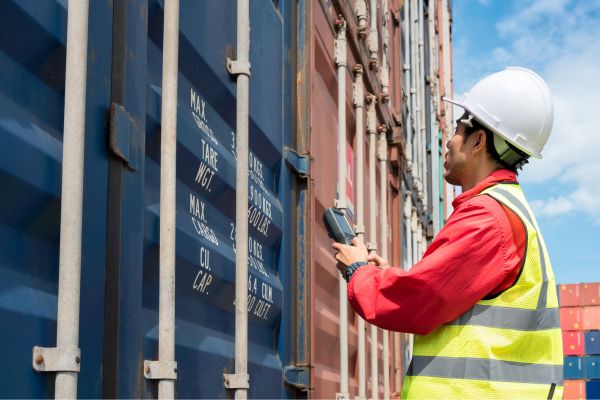
US customs rules are some of the world's strictest to protect the nation's massive agricultural industry and diverse ecosystems from invasive species, pests, and diseases. The Department of Agriculture (USDA) and Customs and Border Protection (CBP) work together to intercept biological threats. The CBP also enforces strict security measures to prevent terrorism and stop illegal weapons or narcotics from entering the country.
When shipping unaccompanied personal items to the United States, you must declare their contents by completing a US Customs Declaration Form 3299. To ship household goods, such as furniture, carpets, and linen, duty-free, you must have owned and used them outside the US for at least twelve months before their arrival. Otherwise, customs officers will assess standard duty rates.
To pass the strict agricultural inspection, you must thoroughly clean all outdoor equipment, camping gear, and footwear before packing. Soil may carry dangerous fungi, harmful bacteria, and seeds. Use a stiff scrubbing brush* and plenty of soapy water to clean the soles of hiking boots, bicycle tyre treads, and the undersides of tents.
Remove all grass, dried leaves, dirt, and insects from the frames of sporting goods and outdoor items, such as bicycles, golf clubs, and garden tools. If an imported item requires treatment after inspection, you may be responsible for the cost. USDA currently charges a monitoring fee of $244.19 (€210.48/£181.74) per treatment; additional contractor costs may also apply.
The consequences for failing to declare restricted items or providing false information on your customs forms could be severe. Under United States federal law, customs officers issue immediate fines for failing to declare high-risk agricultural products, with penalties ranging up to US$1,000 (€862/£744) per first-time offence. Serious or deliberate violations, such as commercial smuggling, result in much harsher punishments, such as immediate visa cancellation, detention, prison sentences, and deportation.
*Seven Seas Worldwide does not endorse these products

What you can bring to the US
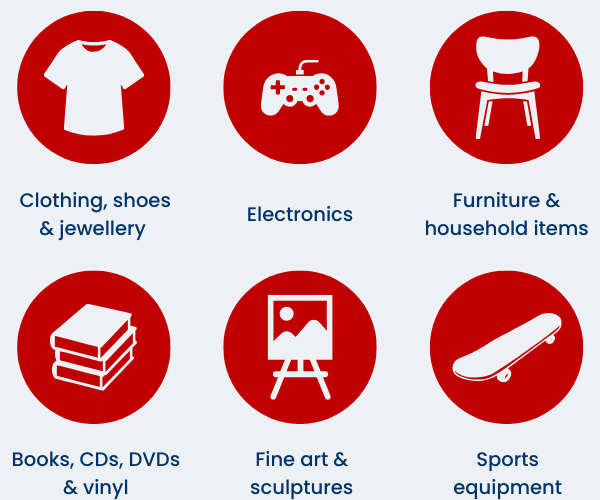
You can bring many used personal belongings to the US, including clothing, books, laptops and everyday household items, if you do not plan to sell them. You can also import used furniture, carpets, and linens without paying duty by using a US Customs Declaration Form 3299.
Musical instruments, academic books and other tools of the trade are also permitted duty-free, provided you used them abroad and continue using them for work purposes in the United States. Original works of fine art, such as paintings, drawings, and sculptures, are generally classified as duty-free.
You can also carry gifts and personal effects for friends or family, as long as they comply with US import rules and do not fall under restricted or prohibited categories. For newly purchased gifts or souvenirs you bring with you, travellers have a personal duty-free exemption of up to US$800 (€687/£594). However, there is no duty-free exemption when shipping new personal purchases unaccompanied.
Finally, adults over 21 have a duty-free personal tobacco allowance of up to 200 cigarettes or 100 cigars.
The graphic below illustrates some of the personal effects you can ship to the US:
US customs prohibited items list
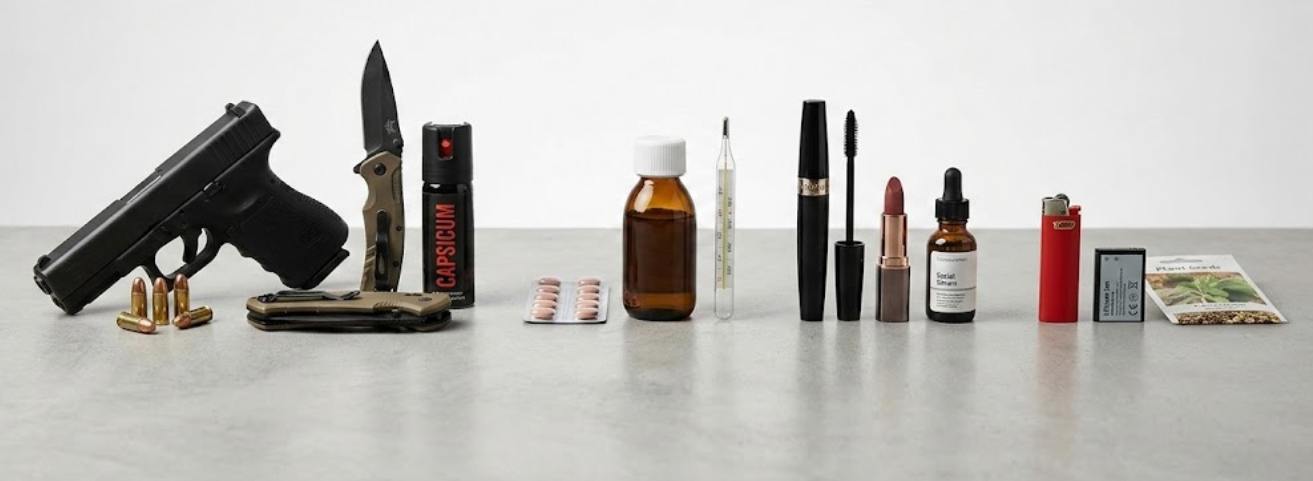
The US's customs prohibited items list includes counterfeit goods intended for sale, drug paraphernalia, gold from restricted countries, and certain fruits, vegetables, plants, and seeds.
Strict regulations govern air shipping, classifying certain items, such as aerosols, perfumes, and loose lithium batteries, as hazardous materials that require specialised handling. Sea shipping is also subject to rigorous inspections, including mandatory Asian Longhorned Beetle treatments for wood packaging material from high-risk countries. You cannot carry protected wildlife, ivory, coral or products made from endangered species without approval and a permit, such as a CITES permit.
For the latest prohibited and restricted import items, and those that must be declared or require a permit, check out the CBP website.
As of 2026, the CBP outright bans or restricts the following items:
| Item | Status | Notes |
|
Thujone-containing absinthe
|
Prohibited |
Thujone-free absinthe (containing less than 10 parts per million of thujone) can be imported.
|
|
Biological materials
|
Requires a permit from the USDA and or the CDC
|
Includes specimens such as cultures, fungi, and viruses for research or pharmaceutical use.
|
|
Counterfeit items intended for sale
|
Prohibited |
Counterfeit or pirated goods intended for sale, resale, or public distribution are subject to seizure and civil fines.
|
|
Dog and cat fur
|
Prohibited |
It is illegal to import, export, or sell products containing dog or cat fur in the United States.
|
|
Defence articles
|
Requires a DSP-61 or DSP-85 licence
|
Includes military gear, weapons technology, physical hardware, software, blueprints, and design plans.
|
|
Drug paraphernalia
|
Prohibited |
Exceptions may include items prescribed for authentic medical conditions such as diabetes.
|
|
Endangered fish and wildlife
|
Requires a Fish and Wildlife Service (FWS) import permit and a foreign CITES export permit
|
Includes wild birds, mammals, reptiles, fish, molluscs, plus skins, tusks, bone, feathers, eggs, and products manufactured from fish or wildlife.
|
|
Firearms
|
Import requires assistance from a Federal Firearms Licensee (FFL)
|
The FFL must obtain an import permit from ATF to import any firearm, including rifles, shotguns, handguns, and revolvers.
|
|
Fruits and vegetables
|
Requires a permit or inspection depending on origin and destination
|
You must declare all fresh produce for inspection or face a fine of US$300 (€258/£223) to US$500 (€429/£371).
|
|
Game and hunting trophies
|
Requires FWS Form 3-177, inspection, and potentially a foreign export permit
|
Entry is limited to 14 designated ports, and trophies must be sufficiently sanitised.
|
|
Gold from restricted countries
|
Mostly prohibited
|
Includes gold coins, medals and bullion from Cuba, Iran, Burma (Myanmar) and most of Sudan.
|
|
Meat
|
Prohibited |
Exceptions include commercially canned meat, certain cured products from approved countries, and meat that meets US import requirements.
|
|
Merchandise from embargoed countries
|
Requires an OFAC license
|
Imports from Cuba and Iran are prohibited without a rarely granted licence. Exceptions include informational materials (books, art, etc.), gifts up to US$100 (€86/£74).
|
|
Plants and seeds
|
Requires a permit or inspection
|
All plants, seeds, and plant-based handicrafts must be declared for inspection. Some items, such as soil-potted plants, citrus species, tree/shrub seeds, and federal noxious weeds, are completely prohibited.
|
|
Prescription medication
|
Generally limited to a 90-day supply for personal use for non-US citizens |
US citizens generally cannot import foreign-purchased drugs.
|
|
Rohypnol
|
Prohibited |
Chemically known as flunitrazepam.
|
|
Soil
|
Requires a PPQ Form 525-A import permit
|
Must be declared for verification upon entry.
|
How much alcohol can you bring into the US?
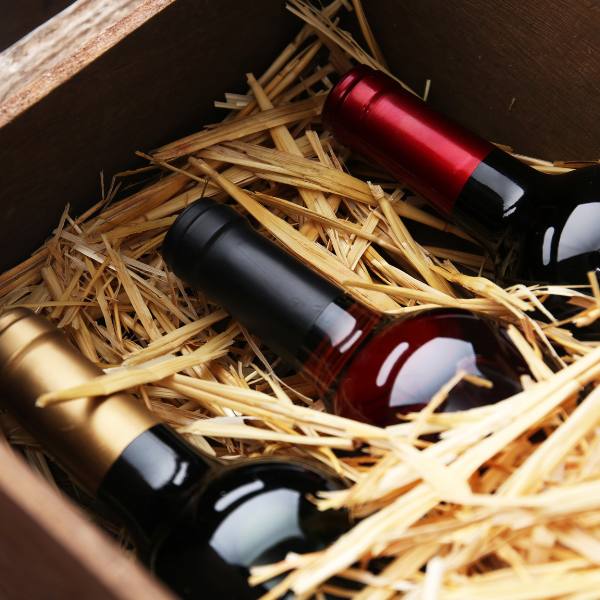
You can bring one litre of alcohol, including homemade wine, into the US duty-free, provided it's for personal use, and you’re aged 21 or over. Travellers arriving from the US Virgin Islands can bring up to five litres of alcohol duty-free.
If you carry additional quantities, you must pay federal duties and excise taxes on the alcohol above your country's limit at the port of entry. For small amounts, CBP may apply a flat duty rate of around 3% of the item's value, which can work out to just a few dollars per additional bottle. Furthermore, a federal excise tax is charged based on the type and alcohol content. However, the exact amount can vary depending on the product, its value, and the point of entry.
There is no federal law that sets a maximum import limit for personal use; however, large quantities may prompt customs officers to treat your alcohol as a commercial import and require additional permits and approvals. State laws often impose stricter alcohol limits than federal rules, so check with the state's alcohol beverage control board before packing.
Seven Seas Worldwide prohibits alcohol shipping on all of our services, including land, sea, and air. For the most up-to-date information, check out our Prohibited Goods page.
Can I bring electronics into the US?
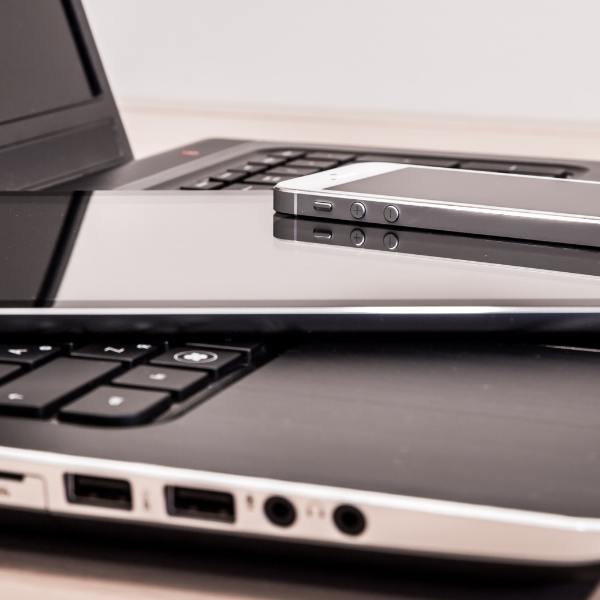
You can bring unaccompanied electronics into the United States, such as laptops, mobile phones, and digital cameras, if you own them and they are for personal use. CBP requires all outdoor gear, such as drones, to be completely free of soil or foreign organic matter. For air travel, Federal Aviation Administration regulations mandate that passengers pack spare lithium-ion batteries and power banks exclusively in carry-on luggage. Furthermore, air transport regulations typically limit standalone lithium-ion batteries shipped as cargo to no more than 30% state of charge.
All electronics are subject to inspection at the border. Failure to declare items properly can lead to delays, fines, or confiscation. You may also need to provide proof of ownership or purchase and unlock devices.
Because the US uses Type A and B flat-pin plugs and a 120V supply, the requirements for electronics depend on their country of origin. Shipments from Australia, the UK, or the EU may require a plug adapter and a voltage converter to prevent equipment damage; however, many modern electronics are dual-voltage, meaning they can automatically handle both 110–120V and 220–240V power supplies. Shipments from Canada or Mexico are already compatible with the US. Safety experts strongly advise against using temporary plug adapters long-term because they frequently overheat and pose a severe fire hazard.
More advice about shipping to the USA

US customs declaration: form 3299
US custom form 3299 is a mandatory document that those returning or moving to the USA must complete to ship belongings tax-free into America. Learn more.

Prohibitive goods
Before packing, check this list of items prohibited from entering a particular country or region.

How much does it cost to immigrate to the US?
The cost to immigrate to the US in 2026 is between $7,133 and $38,000, depending on your preferred visa, your origin country, and the amount you wish to ship.

Moving to USA
Moving to America? From choosing a US city to finding a job, booking US removals, to understanding the culture, read this guide for a seamless relocation.
Sign up to find outmore about our MoveCube®!

Looking for safe and secure international shipping and removals?