Unfortunately, due to the ongoing conflict in the Middle East, shipping lines have temporarily suspended shipments to and from the UAE, Oman, Kuwait, Qatar, Bahrain, and Saudi Arabia until further notice.


Shipping advice
Our guide to shipping lithium ion batteries internationally
How to safely ship lithium ion batteries
Lithium-ion batteries are on the rise thanks to their lightweight size, low manufacturing costs, and excellent performance. You can find standalone lithium-ion batteries in many electronic goods, from removable mobile phone and laptop batteries to power banks. However, as an easily flammable product, there are risks when shipping these batteries overseas.
This guide discusses the different types of lithium batteries and their uses, the potential risks, how to ship them by air, sea and land, safety precautions, and more.
Lithium batteries contain connected lithium cells to produce the desired voltage...
What are the different types of lithium batteries?
Popular consumer products often run on lithium batteries for their energy density, size, weight and rechargeability. Technological advances in batteries continue to influence the design and functionality of consumer electronic goods.
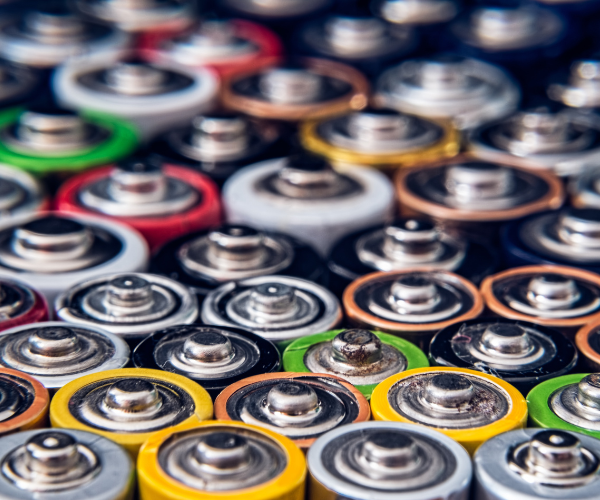
These are the five different types of most-used lithium batteries:
- Lithium-ion (Li-ion): commonly found in smartphones, laptops, tablets and digital cameras. Li-ion batteries are rechargeable and deliver high energy for their compact and lightweight size, ideal for on-the-go devices that require frequent use.
- Lithium polymer (LiPo): thin, lightweight electronics like smartwatches, fitness trackers, and wireless earbuds often contain LiPo batteries.
- Nickel-cadmium (NiCad): some older consumer products, such as cordless phones and power tools, use nickel-cadmium batteries. They have a lower energy density than Li-ion batteries and are less common today due to environmental concerns.
- Nickel Metal Hydride (NiMH): NiMH batteries are found in remote controls, toys and portable radios. They offer a balance between performance and cost, with higher energy density than NiCad.
- Alkaline (disposable): standard household devices like flashlights and electronic toys often use alkaline batteries. They are not rechargeable but are cost-effective, with a relatively long shelf life.

Lithium cell
A lithium cell is the basic building block of a battery. It's a single unit that produces electrical energy through a reaction. Cells can be standalone devices used in small electronic products like watches or sensors. They can also be combined to form larger batteries for more substantial energy storage applications.

Lithium battery
Lithium batteries contain connected lithium cells to produce the desired voltage, capacity, and power for a specific application. Batteries are more complex than cells and typically include additional features such as protective circuits and connectors. The combination of cells in a particular arrangement within a casing makes up a lithium battery.
Insuring your phone, tablet, laptop and other electronic goods
Consider purchasing insurance for your shipments. Taking out cover can provide financial protection and ease stress in the event of loss, damage, or unforeseen shipping incidents. Please read our Insurance Terms and Conditions for more information.

What common items use lithium batteries?
Here are some everyday household items containing lithium batteries that you might want to pack when moving overseas:
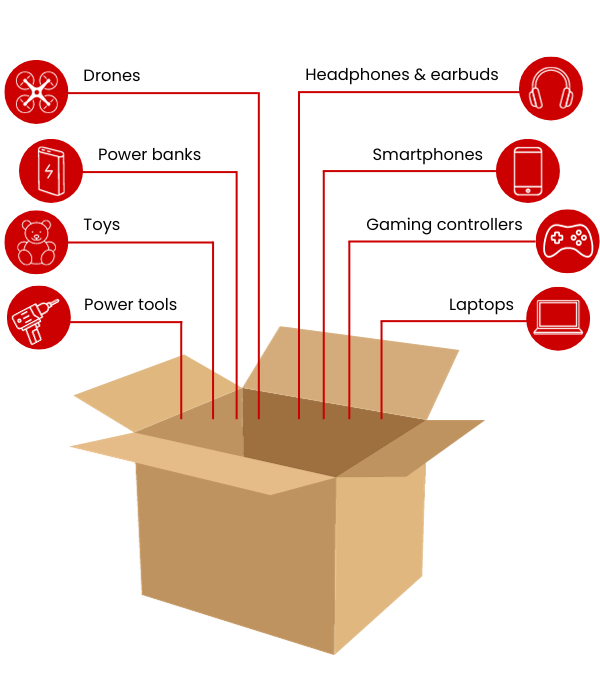
You can typically find the battery name on the case, device, or instruction manuals.
How can I identify which type of lithium battery my device uses?
Knowing which type of lithium battery you wish to ship is necessary for proper handling, charging and maintenance. Your shipping company may also ask for its name in your inventory packing list.
You can typically find the battery name on the case, box, or instruction manuals. Failing that, search for your device model or battery online, as manufacturers and retailers often have product information on their websites. Contact the device manufacturer's customer support if you still need help locating your battery's name.
Shipping label for lithium ion batteries
They are separated into the following four categories:
- UN 3090 - lithium metal batteries shipped on their own.
- UN 3480 - lithium-ion batteries shipped on their own.
- UN 3091 - lithium metal batteries within equipment or packed alongside equipment.
- UN 3481 - lithium-ion batteries within equipment or packed alongside equipment.
Due to the increased danger of overheating, shipping companies and international authorities forbid the shipping of damaged or broken lithium batteries. Carefully dispose of broken and damaged batteries by taking them to your local recycling centre or hazardous waste facility. Be sure to check with your local regulators for the latest disposal guidelines.
Supplying a Materials Safety Data Sheet and a Battery Test Survey Report
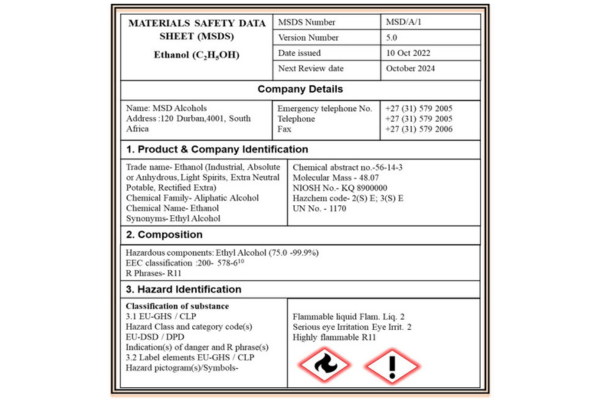
If you are shipping lithium battery packs on their own, such as power banks or a removable laptop chargers, you must provide your shipping company with a Materials Safety Data Sheet (MSDS), also known as a Safety Data Sheet (SDS), and a Battery Test Survey Report (UN38.3) for each lithium battery you are shipping.
Supplying both documents ensures compliance with shipping regulations and helps prevent safety issues during transport.
The MSDS provides information on safe handling, storage, emergency procedures, and health effects if exposed, while the Battery Test Survey Report confirms that the battery has passed all required safety tests for transport. You can obtain both forms from the battery manufacturer or, for batteries built into a device, from the device manufacturer.
Example of a material safety data sheet:
Can lithium ion batteries be shipped by air?
Unfortunately, Seven Seas Worldwide does not allow the shipping of lithium batteries via our air services. However, if you wish to transport small electronic items with built-in lithium batteries, such as mobile phones and tablets, we advise adding them to your hand luggage allowance.
Some airlines do allow lithium batteries despite tightening restrictions and guidelines. The International Air Transport Association (IATA) and other regulatory bodies have rules for transporting lithium batteries on aircraft due to the associated potential fire hazard. Lithium metal and lithium-ion batteries can only be shipped as cargo and with no more than 30% of their charging capacity.
As rules vary, check with your airline, shipping carrier, and relevant authorities for the most up-to-date information. Failure to comply may result in the refusal of your shipment, fines, or delays. Please note that restrictions are stricter when air shipping than land or sea.
How to package lithium ion batteries for shipping:
- Packaging: you must pack lithium batteries well to prevent short circuits and damage from physical impact. Requirements to ship lithium batteries safely differ between shipping companies. You may need to pack each battery individually, keep them in their original packaging, or use robust packaging materials, such as sturdy boxes or fire-resistant bags*.
- Quantity limits: take note of limitations imposed by your airline or shipping company. The amount you can ship will vary depending on whether your batteries are inside devices, packed alongside them or shipped separately.
- State of charge: some regulations may restrict the battery's state of charge, as the higher the charge, the higher the risk of overheating.
- Declaration: it's essential to list the number of batteries, their type, and whether they are contained in equipment or shipped separately on documentation such as an inventory.
- Labelling and marking: displaying the appropriate lithium battery label and providing information about its contents is crucial to avoid fines and delays. Use hazard labels to display the proper UN number, such as UN 3480 (lithium-ion batteries shipped alone) or UN 3090 (lithium metal batteries shipped alone).
- Avoid short-circuiting: short-circuiting (an abnormal path that disrupts the flow of electricity in a circuit, potentially causing damage) is a concern when shipping lithium-ion batteries. Take preventative measures such as keeping your batteries away from metal, packing them with insulating materials, and keeping all batteries separated.
Worldwide government regulations often change due to the growing demand for and the danger of products using lithium batteries. So, conduct thorough research before travelling.
*Seven Seas Worldwide does not endorse this product.
Dangerous goods regulations
Shipping lithium batteries comes at a risk as they're easily capable of overheating. Many shipping companies refuse or limit the quantities you can ship. If overheated, the resulting thermal runaway can lead to smoke, flames and even explosions. As of 2026, more than half of UK businesses have reported incidents involving lithium-ion batteries, including smoking, overheating, and explosions.
The UN classifies lithium batteries as Class 9 material, "miscellaneous dangerous goods".

Can lithium ion batteries be shipped by sea and road?
There are specific regulations and guidelines to ensure safety during maritime transportation. The International Maritime Dangerous Goods (IMDG) Code sets the standards for the safe transport of all dangerous goods, including lithium batteries, by sea. The International Carriage of Dangerous Goods by Road (ADR) governs lithium battery shipping regulations to ensure safe transport.
The following lithium ion batteries can be shipped via Seven Seas Worldwide's sea and land shipping services:
- 12 volt 4 amp lithium-ion battery
- 14.4 volt 3amp battery
- 18 volt 6 amp lithium-ion battery
- 18 volt 1.5amp lithium-ion battery
- 18 volt 3 amp lithium-Ion battery
Nickel metal hydride and nickel-cadmium batteries, including commonly used AA and AAA batteries, can also be sent via our sea and road services. However, they must be brand new, remain unopened in their original retail packaging, and be wrapped in cushioning material like bubble wrap.
We also allow nickel metal hydride, nickel-cadmium, lithium-ion, and polymer batteries within small electronic devices such as handheld game consoles and laptops via sea and land.

Can I ship personal belongings with Seven Seas Worldwide?
With more than 25 years of experience helping people ship personal belongings worldwide, you're in safe hands. Our in-depth local knowledge, expert team and multilingual, 24/7 customer support set us apart from other international delivery companies.
You'll feel fully supported from your no-obligation free quote (which includes a transparent breakdown of all costs) to the day we deliver your shipment.
We also offer:
- 2 weeks of complimentary storage in most origin and destination countries where we operate.
- Robust packing supplies, including parcel tape and double-walled cardboard boxes.
- Access to our online tracking tool so you can monitor your shipment's location.
- Comprehensive insurance options to ease stress.
More helpful shipping information

Prohibitive goods
Before packing, check this list of items prohibited from entering a particular country or region.

Shipping terms glossary
This jargon-busting page provides definitions of common shipping and delivery terms such as personal effects and transit times.

International shipping services
As one of the country's top international shipping companies, trusted for over 25 years, we make sending boxes and luggage overseas affordable and stress-free.

Helpful packing guides
Discover our expert tips to help you pack your household items and belongings for domestic and international shipping, removals and storage.
Sign up to find outmore about our MoveCube®!

Looking for safe and secure international shipping and removals?