Unfortunately, due to the ongoing conflict in the Middle East, shipping lines have temporarily suspended shipments to and from Oman until further notice.


Moving overseas advice
Cheapest places to live in the US 2026
Key takeaways
- The cheapest places to live in the US in 2026 are Decatur (Illinois), Enid (Oklahoma), Weirton (West Virginia), Springfield (Illinois), Mission (Texas), Bay City (Michigan), Pass (Texas), Fort Smith (Arkansas), Anniston (Alabama), and Midland (Michigan).
- The US city with the lowest cost of living is Detroit (Michigan), followed by Cleveland (Ohio), Brownsville (Texas), St. Louis (Missouri), and Wichita (Kansas).
- The cheapest place to buy a house in the USA is Huntington (West Virginia).
Choose us for expert moving overseas advice


10 cheapest places to live in the US 2026*
The cheapest places to live in the US in 2026 are Decatur (Illinois), Enid (Oklahoma), Weirton (West Virginia), Springfield (Illinois), Mission (Texas), Bay City (Michigan), Pass (Texas), Fort Smith (Arkansas), Anniston (Alabama), and Midland (Michigan), according to U.S. News's latest rankings.
These affordable places prove that lower living costs don’t have to mean sacrificing everyday essentials, a sense of community, or access to amenities. Whether you’re moving to the US to stretch your budget further to save, start a family, or simply enjoy a more affordable lifestyle, the locations below highlight some of the best-value places to call home.

1. Decatur, Illinois
Resting amidst the vast plains of the Corn Belt, Decatur offers strikingly low housing costs for expats seeking a high quality of life, including DecBlockBuilder, a government-run program that simplifies the purchasing of city-owned vacant land.
Lower healthcare costs and cheaper everyday services help residents stretch their budgets further. Once a manufacturing stronghold, the city has since shifted towards a mixed economy led by agribusiness and food processing.
Population: 70,522
Cost of living: 20.1% lower than the national average
Median household income: US$49,244 (€42,058/£36,433)
Median house price: US$115,600 (€98,732/£85,527)
Unemployment rate: 6.6%
In-demand jobs: manufacturing technician, warehouse worker, healthcare technician

2. Enid, Oklahoma
Enid boasts small-city living with a strong agricultural and energy-driven economy. Median house prices are less than half the US average at US$135,597 (€115,954/£100,360), while minimal property taxes further reduce the total cost of homeownership.
The city benefits from its role as a regional distribution centre, where goods such as food and fuel are stored and shipped to surrounding areas, helping keep prices stable.
Population: 50,653
Cost of living: 10.7% lower than the national average
Median household income: US$62,125 (€53,060/£45,963)
Median house price: US$154,900 (€132,297/£114,603)
Unemployment rate: 3.2%
In-demand jobs: agricultural operations worker, truck driver, oil and gas technician
3. Weirton, West Virginia
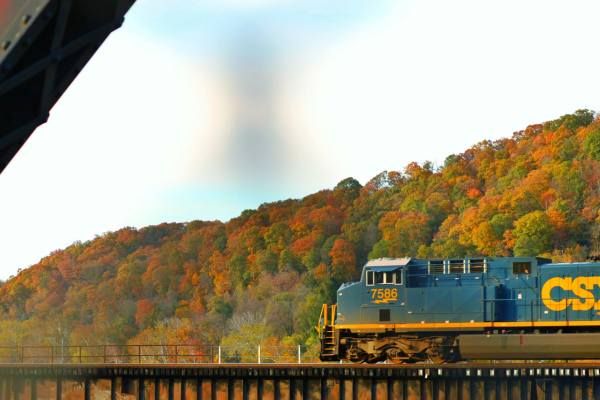
Perched along the Ohio River, Weirton offers a gateway to affordable living in the Rust Belt. The legacy of the once-thriving local steel industry creates a market with highly accessible home prices for newcomers, with many properties available under US$100,000 (€85,514/£74,013).
Combined with West Virginia's generally low cost of living, Weirton is particularly attractive for buyers seeking affordability within easy reach of Pittsburgh and Cleveland.
Population: 18,647
Cost of living: 19% lower than the national average
Median household income: US$59,575 (€50,882/£44,077)
Median house price: US$133,500 (€114,020/£98,770)
Unemployment rate: 4.8%
In-demand jobs: healthcare worker, retail supervisor, energy industry technician

4. Springfield, Illinois
The Land of Lincoln combines its status as the state capital with a modest financial entry point for homeowners. A government-dominated economy prevents drastic market fluctuations while keeping rent and mortgage costs low.
Plentiful historical sites, such as the Lincoln Home National Historic Site, alongside stunning public parks, offer high-quality leisure and culture without a big price tag.
Population: 112,170
Cost of living: 5.3% lower than the national average
Median household income: US$72,889 (€62,253/£53,927)
Median house price: US$189,800 (€162,104/£140,424)
Unemployment rate: 5.1%
In-demand jobs: government administrator, nurse, transport and logistics worker

5. Mission, Texas
Situated near the Mexican border, Mission thrives as a hub for international trade and affordable homes. Low construction costs and a vast supply of land help keep housing prices low.
The absence of state income tax allows workers to retain more of their earnings while benefiting from the inexpensive local produce and goods that flow through the Rio Grande Valley. The city's warm climate and status as the 8th-fastest-growing job market in the US further enhance its allure.
Population: 88,570
Cost of living: 18% lower than the national average
Median household income: US$55,857 (€47,706/£41,326)
Median house price: US$207,800 (€177,478/£153,741)
Unemployment rate: 5.3%
In-demand jobs: customs and logistics worker, healthcare assistant, retail manager

6. Bay City, Michigan
Bay City delivers scenic waterfront living at a fraction of the cost of larger Great Lakes coastal metros. The city's past as a major shipping port leaves behind a wealth of reasonably priced historical homes, along with established road links, rail connections, and reliable power systems.
The city's economy has recently diversified beyond its manufacturing roots into healthcare, education, and tourism. Seasonal attractions and a growing focus on heritage redevelopment add to its charm without significantly increasing costs.
Population: 32,320
Cost of living: 18.2% lower than the national average
Median household income: US$49,420 (€42,209/£36,563)
Median house price: US$97,600 (€83,358/£72,209)
Unemployment rate: 6.2%
In-demand jobs: healthcare professional, skilled trades worker, tourism and hospitality employee

7. Eagle Pass, Texas
Positioned along the Rio Grande River, Eagle Pass combines affordable real estate with the commercial buzz of a major border crossing. Strong trade links with Mexico fuel steady job growth in logistics, retail, and transport.
Budget-conscious expats benefit from affordable everyday goods and a minimal tax burden. Nearby parks, riverfront eateries, and a growing retail sector provide plenty of amenities without the higher expenses of larger Texas cities.
Population: 28,339
Cost of living: 20.4% lower than the national average
Median household income: US$57,207 (€48,859/£42,325)
Median house price: US$188,000 (€160,567/£139,092)
Unemployment rate: 7.9%
In-demand jobs: border logistics coordinator, warehouse operative, customs officer

8. Fort Smith, Arkansas
Fort Smith blends a rugged frontier history with one of the lowest overall living costs in the southern United States. Affordable homes and inexpensive healthcare, even for the uninsured, allow expat residents to maintain comfortable lifestyles on modest incomes.
The city supports a diverse economy centred around manufacturing, healthcare and transportation, aided by its strategic location along the Arkansas River.
Population: 90,517
Cost of living: 23.4% lower than the national average
Median household income: US$60,306 (€51,506/£44,617)
Median house price: US$215,000 (€183,627/£159,068)
Unemployment rate: 4.2%
In-demand jobs: manufacturing operative, truck driver, healthcare worker

9. Anniston, Alabama
Nestled against the foothills of the Appalachian Mountains, Anniston offers affordable property prices and easy access to stunning vistas and outdoor recreation. Low housing demand and plentiful Victorian-era homes entice first-time buyers.
The local job market is robust, maintaining a 3.1% unemployment rate that sits significantly lower than the national average. This economic stability, paired with a stress-free 18.9-minute average commute, allows residents to enjoy a high quality of life.
Population: 21,271
Cost of living: 17% lower than the national average
Median household income: US$46,668 (€39,858/£34,527)
Median house price: US$158,800 (€135,628/£117,488)
Unemployment rate: 3.1%
In-demand jobs: manufacturing technician, military support staff, nurse

10. Midland, Michigan
Midland's small-town affordability couples with a strong economy anchored by science, healthcare, and advanced manufacturing. Housing prices remain moderate despite the city's relatively elevated median household income.
Despite its high concentration of professional talent, the city offers residents a high standard of living at a fraction of the cost found in coastal tech hubs. The city's long-standing investment in infrastructure and education supports reliable public services and funds world-class amenities like the Dow Gardens.
Population: 42,724
Cost of living: 14.3% lower than the national average
Median household income: US$73,325 (€62,610/£54,259)
Median house price: US$203,900 (€174,116/£150,855)
Unemployment rate: 4.7%
In-demand jobs: chemical industry specialist, engineer, healthcare professional
*figures accurate as of 2026
Sources: numbeo.com, census.gov, censusreporter.org, bestplaces.net
What US city has the lowest cost of living?
The US city with the lowest cost of living is Detroit (Michigan), followed by Cleveland (Ohio), Brownsville (Texas), St. Louis (Missouri), and Wichita (Kansas), based on a 2026 ranking by City Affordability. City Affordability estimates that a salary of about $39,300 (€33,584/£29,080) per year is needed to live comfortably in Detroit, with median rents at around $983 (€840/£727) per month. In addition, the median price to buy a home is US$104,000 (€88,873/£76,955), over two-thirds less than the US average of US$370,523 (€316,630/£274,168).
Cheapest place to buy a house in the USA
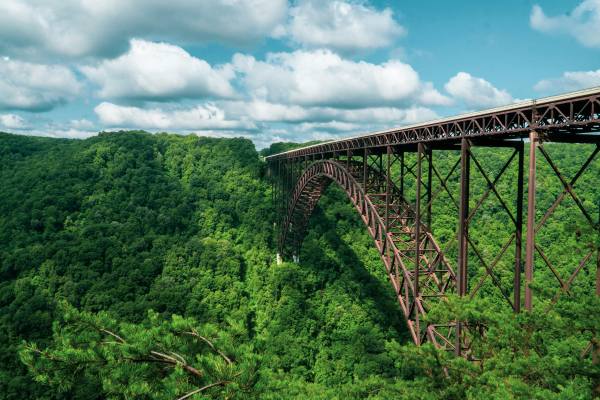
The cheapest place to buy a house in the USA is Huntington (West Virginia), according to a 2026 report by Consumer Affairs. The consumer advocacy and review platform calculated the required annual income for homeownership in each US city, assuming a 10% deposit.
Buyers in Huntington need an annual income of US$53,650 (€45,847/£39,698) to afford a typical home while keeping housing costs within the recommended 28% of post-tax income. That makes Huntington the most affordable metro area among the 200 largest housing markets in the country. In contrast, San Jose (California) ranks as the most expensive metro area, with buyers needing an annual income of $501,012 (€428,140/£370,724) to afford a typical home.
Other low-cost areas include Youngstown (Ohio), Shreveport (Louisiana), and Flint (Michigan). The most affordable cities are in the South and Midwest, where lower property prices continue to attract buyers priced out of coastal markets such as California, New York, and Hawaii.
Buyers in Huntington need an annual income of US$53,650 (€45,847/£39,698) to afford a typical home...

What are the best neighbourhoods in Huntington, WV?
The following are some of the best-rated neighbourhoods in Huntington, West Virginia:
- South Side: shaped around the scenic Ritter Park, the city's best-known neighbourhood boasts a mix of historic homes, plentiful green spaces and accessible routes to the rest of the city.
- Highlawn: located close to St Mary's Medical Centre and several well-connected major roads, with easy access to shops, schools, and healthcare.
- Guyandotte: nestled along the Ohio River and reflecting some of the city's earliest settlement patterns, there is a quiet residential feel with a strong connection to the waterfront.
- Arlington Park: this East End neighbourhood features tree-lined streets and well-established single-family homes, with a stable residential feel and close access to central amenities.
- West Huntington: an urban area with a mix of housing types, close to the downtown core, providing easy access to shops, services, and transport links.
More advice about moving to the US

Best places to live in US in 2025
The best places to live in the US in 2025 are Naples (Florida), Boise (Idaho), Colorado Springs (Colorado), and Greenville (South Carolina).

US states with lowest income tax
The states with the lowest income taxes are Alaska, Florida, Nevada, New Hampshire, South Dakota, Tennessee, Texas, Washington and Wyoming.

Moving to USA
Moving to America? From choosing a US city to finding a job, booking US removals, to understanding the culture, read this guide for a seamless relocation.

Best states to live in in the US for 2025
The best states to live in in the US for 2025 are Washington, Colorado, Oregon, and Vermont.
Sign up to find outmore about our MoveCube®!

Looking for safe and secure international shipping and removals?